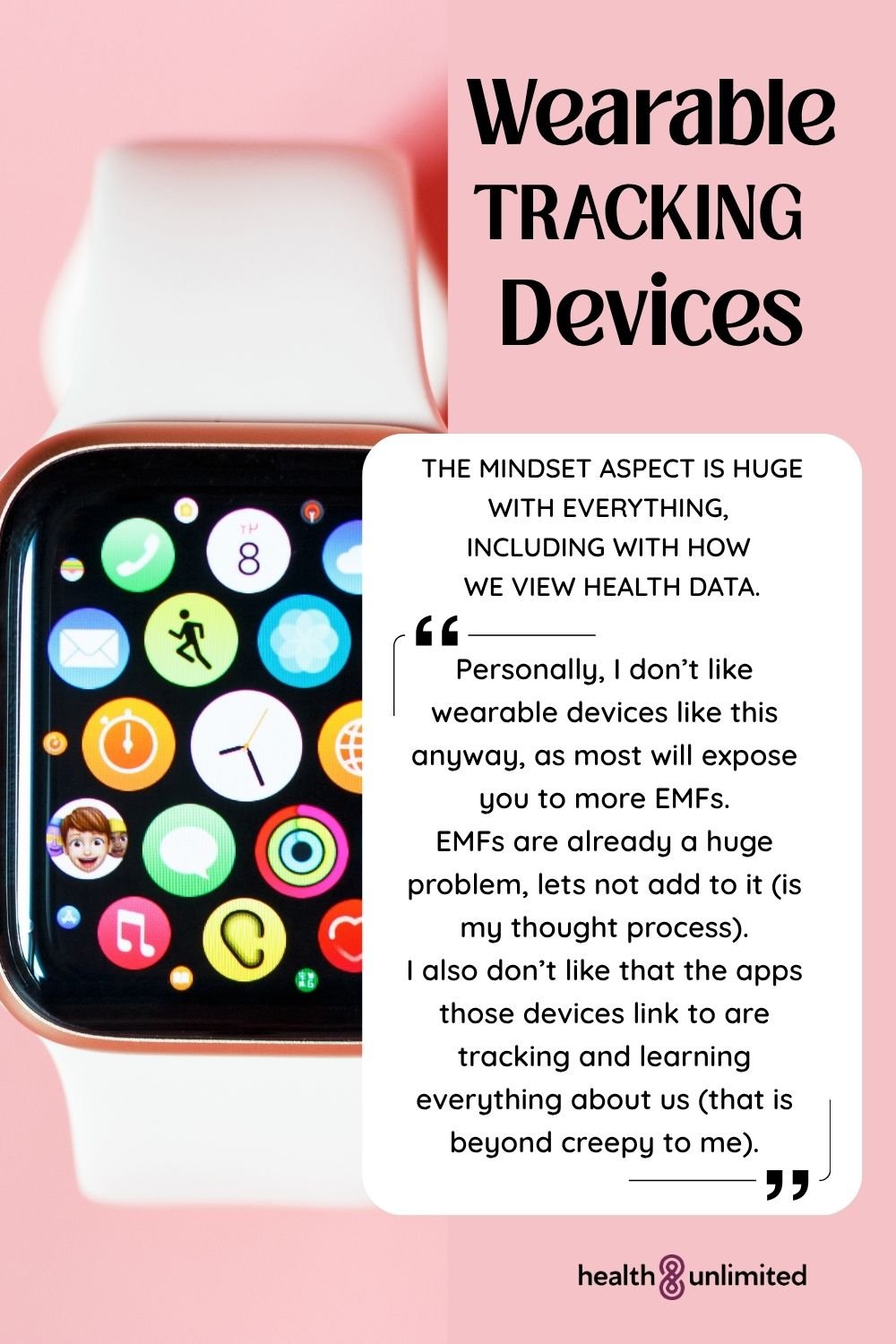
I’ve been noticing a trend…
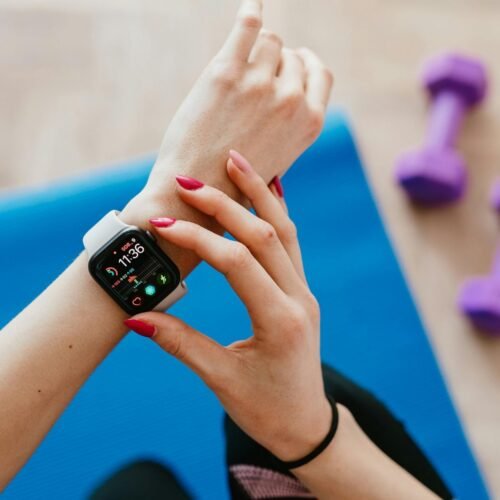
… people wear a device to tell them how their sleep is, their heart rate, whatever…
… but then not only take that data to see trends, but actually let those devices dictate their mood.
The thought process seems to go something like this:
“I slept fine, I’m feeling really good, let’s see what the device shows!”
Only then the tracker says they actually had poor sleep, didn’t have enough REM, and suddenly the person decides they actually are kind of tired or feeling low on energy.
Personally, I don’t like wearable devices like this anyway, as most will expose you to more EMFs.
EMFs are already a huge problem, lets not add to it (is my thought process).
I also don’t like that the apps those devices link to are tracking and learning everything about us (that is beyond creepy to me).
But to be fair, if we had a device that doesn’t expose us to EMFs and we cultivate a healthy mindset, that can be of value…
The mindset aspect is huge with everything, including with how we view health data.
For example, consider an elderly man who takes a bad fall…
… stereotypically this is really bad news, his balance is going to get worse increasing the risk of further falls and potentially breaking a bone.
Now, smartphones have a function that track gait – how symmetrical you walk, your steadiness, and will also predict your risk of falling in the next year.
It’s very easy to look at that data and see all the negatives, how bad his gait got after the fall and how much that risk for future falls increased.
If that’s the mindset that he uses, he’s basically telling his brain continuously that he’s going to fall – it’s self defeating and typically becomes a self fulfilling prophecy.
But, that information could also be used to assess his progress with the active steps he’s taking to heal and correct his gait again.
At that point, it could be a useful tool to see if the exercises being used are appropriate for him.
Now, for some, they like to see these numbers and that’s a way to stay motivated and focused.
For me though, I will track some things myself (with a pen and paper) but it’s foremost about the functionality of the thing for me.
What I mean is, I don’t use a tracker for my weight lifting – I celebrate when I can up the weights I use…
… and the best indicator of building muscle is when I can carry something that used to feel heavy and now it feels light.
Actually seeing my efforts pay off in real life, feeling stronger, those are the things I pay attention to. Not any of the things whatever wearable device would tell.
Same goes for sleep – how do you feel in the morning?
Do you wake up feeling rested? Or do you take a while to feel functional?
All of these things are indicators about how your sleep is going.
I’ve not actually come across someone who was able to finagle their sleep better because of the minute details the tracker said.
Plus, when it comes to sleep, it never hurts to optimize it with natural tools anyway.
I thought my sleep was good, tried lip taping (because I try everything before ever recommending it), and then slept better with it and still use it to this day.
So big picture, if you really reaaaallllyyy feel the need to track some health aspects, look for devices that don’t expose you to EMFs.
And make sure you have the right mindset (working towards a positive goal) and don’t let the tracking change how you’re feeling!
We are always going to be more than the sum of the parts.